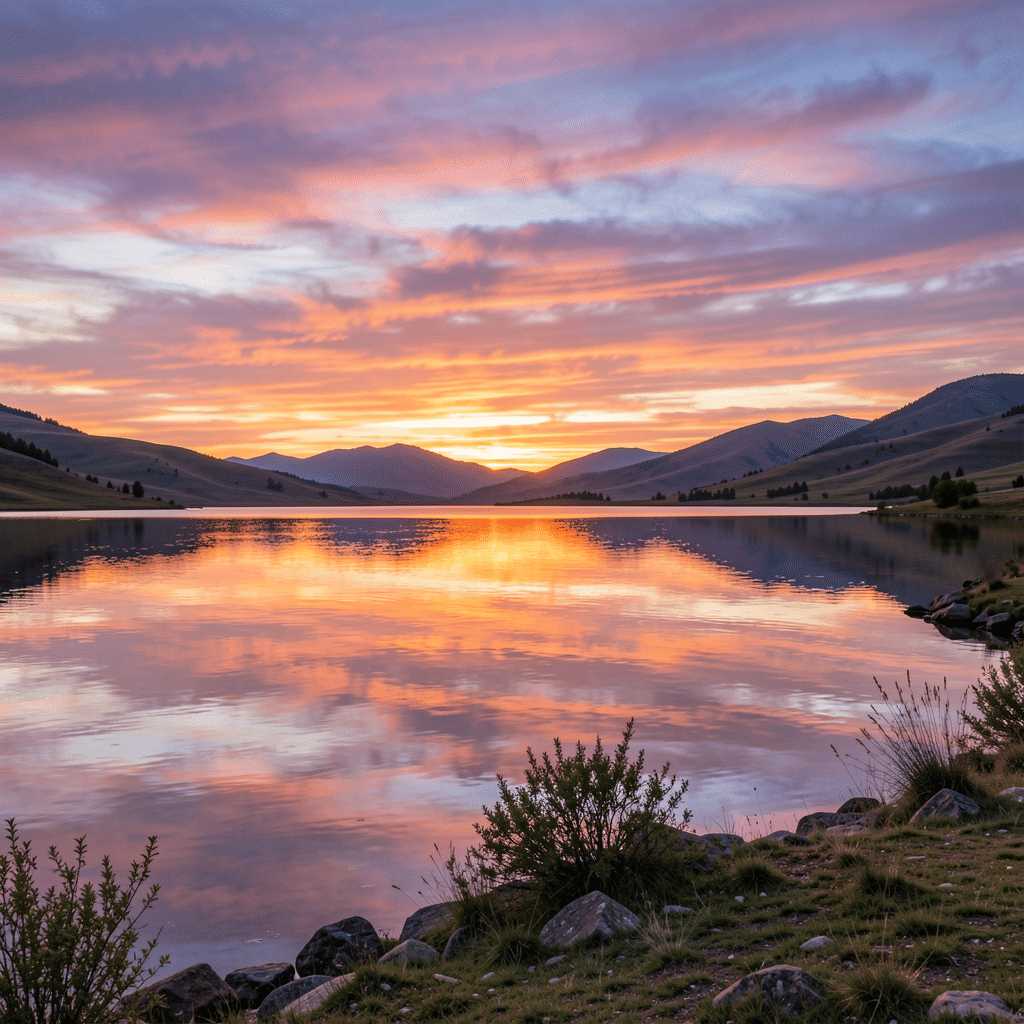
Venturing into the realm of nature photography offers an unparalleled opportunity to witness and capture the vibrant landscapes that Mother Nature so generously provides. This artistic pursuit allows us to celebrate the beauty of the outdoors, capturing scenes that burst with color and vitality.
The journey begins with understanding how light interacts with the natural world. Early morning and late afternoon, often referred to as the "golden hours," present soft, diffused light that can highlight the landscape's rich hues and shadows. These times of the day provide the best lighting conditions, allowing photographers to avoid harsh shadows and capture more balanced highlights, resulting in images that are both vivid and composed.
Color, in all its glory, is a central focus in nature photography. The lush greens of a forest, the vibrant blues of a sky, and the fiery reds and oranges of a sunset are all elements that bring life to an image. To enhance these colors naturally, photographers can rely on techniques such as adjusting the camera's white balance settings or using polarizing filters to reduce glare and saturate colors, adding depth and intensity to the scene.
Composition is another critical aspect when capturing vibrant landscapes. The rule of thirds, leading lines, and framing are compositional tools that guide the viewer's eye through the photograph, creating dynamic and engaging images. Finding unique angles or perspectives can transform ordinary scenes into extraordinary frames, allowing the colors and elements of nature to come alive.
Moreover, incorporating elements such as reflections, textures, and contrasts can add layers to a photograph. Water bodies, for instance, can act as natural mirrors to reflect the sky's colors, while contrasting elements like rock formations or flowers can provide a dynamic visual balance. Experimenting with these elements can lead to unexpected yet breathtaking results.
Editing also plays a significant role in nature photography. While it is essential to maintain the authenticity of the landscape, subtle adjustments in post-processing can enhance the vibrancy and mood of an image. Tools like contrast, saturation, and clarity can be used to fine-tune the colors, bringing them closer to what our eyes perceived in the moment.
Above all, patience and respect for nature are paramount. Whether waiting for the perfect light, the right weather conditions, or the ideal composition, the reward is in the journey and the connection to the natural world. Respect the environment by observing from a distance, leaving no trace, and capturing the beauty without disturbing its tranquility.
In conclusion, nature photography is not just about taking pictures; it is about a deeper appreciation and understanding of the world around us. By capturing vibrant landscapes, we create not only images but also stories that celebrate the diverse beauty of the natural environment. Through patience, skill, and a keen eye, photographers can unveil nature's palette in all its vibrant glory, preserving it for generations to appreciate.