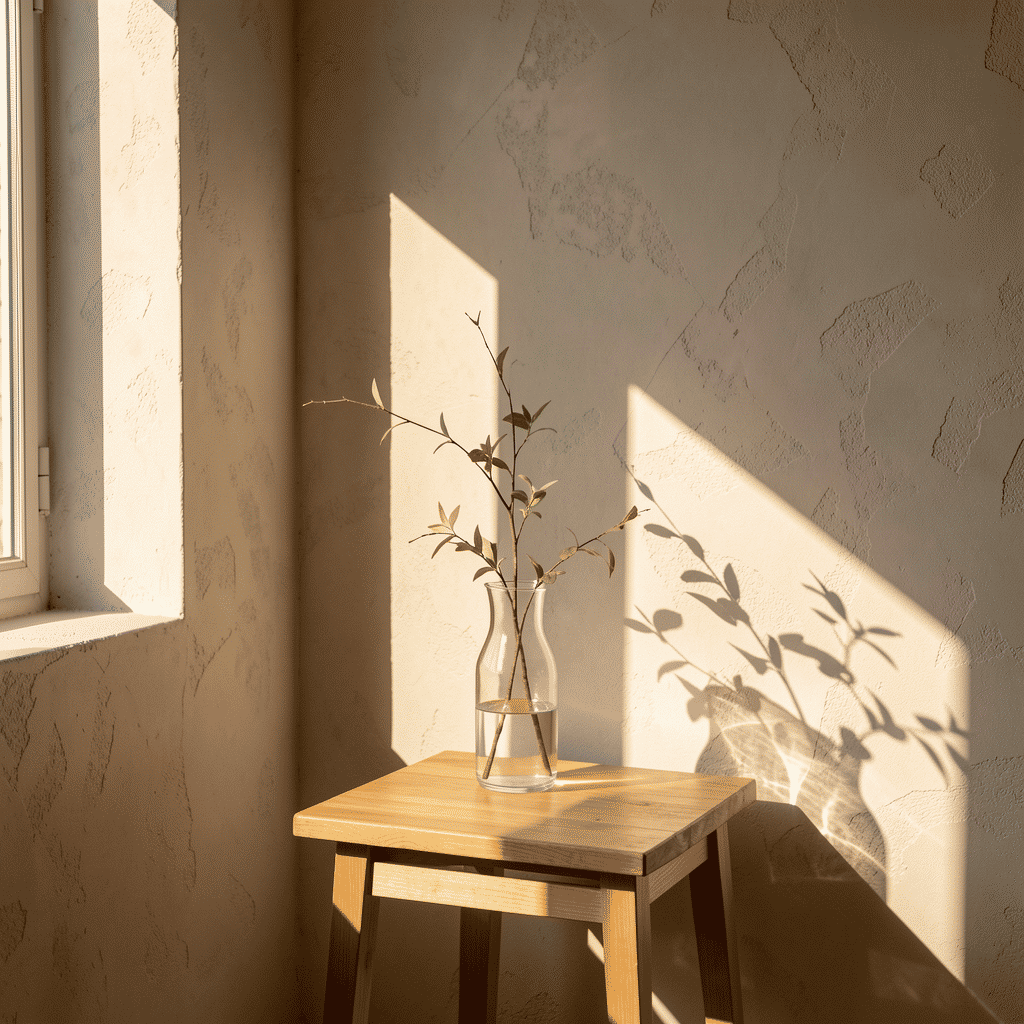
The art of photography is rich with opportunities to explore different techniques and styles, but one fundamental aspect that often defines the quality and mood of an image is the play of light and shadow. Understanding how to use these elements can transform ordinary scenes into extraordinary photographs, rendering them captivating and evocative.
The Essence of Light
Light is the essence of photography, dictating exposure, setting the mood, and highlighting textures. The quality of light—whether it’s soft and diffused or harsh and direct—can dramatically change the context of a photograph. For instance, the golden hours of sunrise and sunset are renowned for providing warm, soft light that adds a magical quality to images. This type of light enhances colors and creates gentle shadows, resulting in a serene and dreamy effect.
On the other hand, mid-day sun casts intense and direct light, which can be challenging but rewarding to work with. Utilizing the stark shadows and high contrast can create dramatic and moody compositions, perfect for emphasizing shapes and structures.
The Role of Shadow
While light reveals, shadows sculpt. They create depth and dimension, giving a three-dimensional appearance to a two-dimensional image. Shadows can guide the viewer’s eye towards the main subject, add mystery, and introduce balance to a composition. Playing with shadows can highlight the textures and patterns in an image, adding complexity and interest.
When shooting, observe how shadows fall and change throughout the day. The length and intensity of shadows can vary significantly with the time of day and weather, providing different creative opportunities. A bright sunny day might produce sharp shadows that outline architectural details, while a cloudy day might soften these shadows, creating a gentle and subtle atmosphere.
Finding Perfect Lighting Scenarios
Spotting great lighting scenarios in everyday life requires a keen eye and patience. Awareness of your surroundings and the light conditions can lead to unexpected, stunning photographs. Notice how light interacts with different surfaces—metal, glass, water—and how it creates reflections and highlights.
Experiment by moving your position: crouch down for low angle shots or elevate your viewpoint. Sometimes, merely changing your perspective can lead to a more interesting interplay of light and shadow. Look for natural frames, such as window sills or tree branches, to help direct light creatively and focus attention on your subject.
Tools and Techniques
Although natural light is often preferred, photographers can also manipulate artificial light to their advantage. Using tools like reflectors or diffusers can help control light intensity and direction. Additionally, experimenting with long exposures or incorporating silhouettes can add a layer of artistic expression to your work.
Editing software can also enhance the contrast between light and shadow, enriching the overall texture and depth. However, it's essential to maintain a balance to ensure the image appears natural and appealing.
Conclusion
The dance of light and shadow offers endless possibilities for creativity and expression in photography. By understanding and leveraging these elements, photographers can elevate their work, capturing not just an image but an emotion and story. Whether a beginner or seasoned artist, continually exploring and experimenting with light and shadow will lead to greater mastery and appreciation of this timeless art form.